Featured
Table of Contents
Browsing Financial Fluctuations in New York throughout 2026
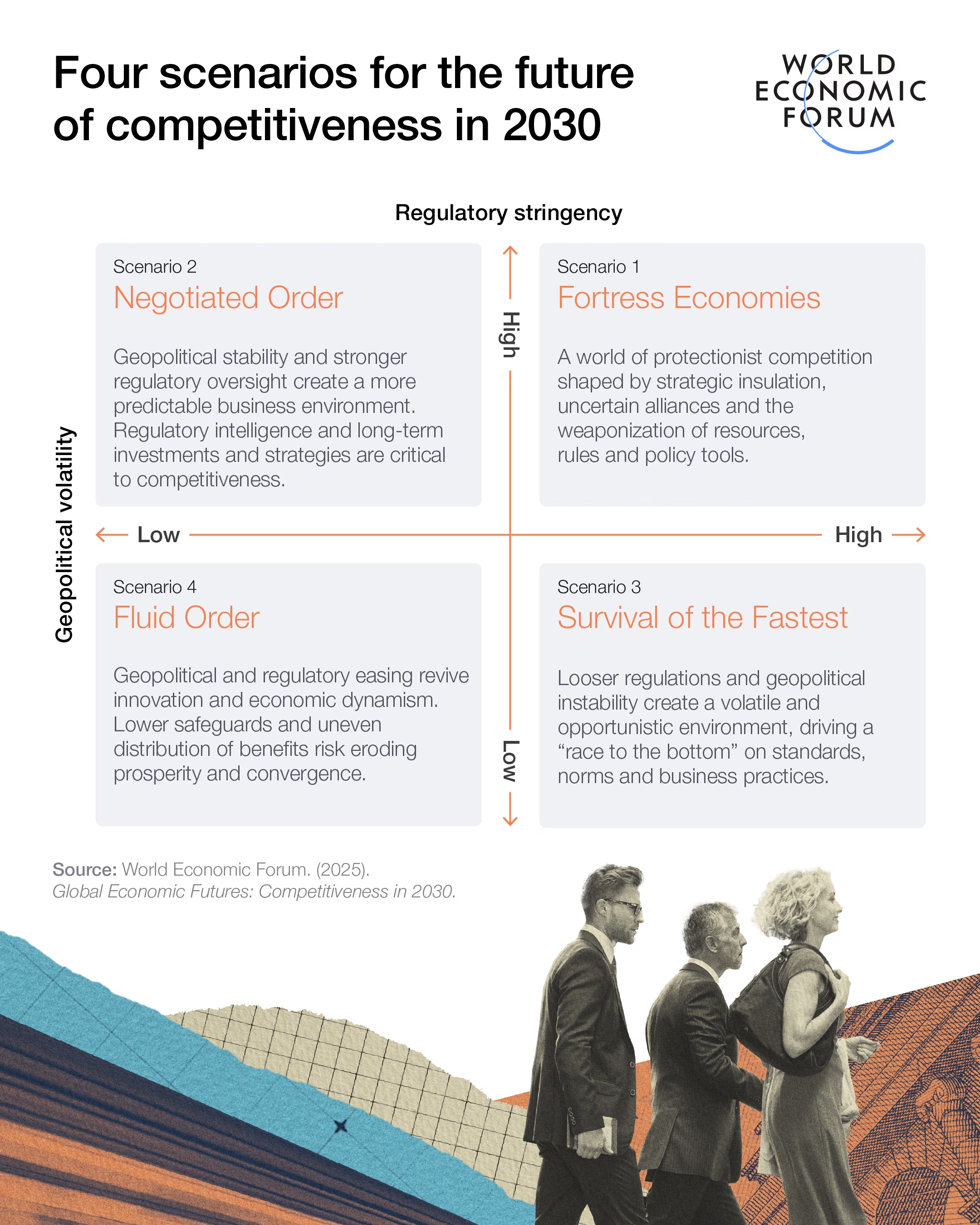
The financial climate of 2026 has actually introduced a level of unpredictability that few B2B leaders anticipated even 2 years ago. While some sectors reveal signs of fast growth, others deal with a contraction driven by moving rates of interest and the cooling of venture capital in specific state-of-the-art specific niches. For companies operating within New York and throughout the surrounding region, the difficulty includes stabilizing aggressive growth targets with a market that needs performance. The age of growth at any cost has actually ended, changed by a concentrated requirement for quantifiable efficiency and high-intent list building.
A main driver of this volatility is the maturation of expert system in the search sector. By 2026, traditional search engines have actually largely transitioned into response engines. This shift indicates that visibility is no longer just about ranking in a list of links. It has to do with appearing within the created summaries that offer direct responses to complex B2B inquiries. For companies in New York, preserving a presence in these generative results is the distinction in between a complete sales pipeline and a stagnant quarter. Strategic financial investment in Visual Content offers a buffer versus these market swings, ensuring that a brand name remains visible even as the mechanics of search continue to alter.
The Progressing B2B Sales Cycle and Buyer Intent
The B2B sales cycle in 2026 has actually stretched considerably. Current data suggests that the average business offer now includes twelve or more stakeholders, each requiring various layers of evidence and data-backed reassurance. Purchasers are investing more time in the "dark social" phase-- investigating via private communities, peer groups, and AI-driven chatbots-- long before they ever engage with a sales agent. This change needs a digital existence that serves as a 24-hour consultant instead of simply a brochure. Organizations that focus on digital strategy have actually adapted by producing deep, reliable content that answers technical concerns at every stage of the funnel.
Localized significance stays a cornerstone of this strategy. While the 2026 economy is international, the trust needed to close massive business agreements typically comes from regional authority. Decision-makers in New York look for partners who understand the particular regulatory and economic nuances of the local territory. Establishing this authority includes a mix of localized search optimization and high-touch digital marketing that speaks to the special challenges of the local market. Strategic LLM Enterprise Use Frameworks now needs a mix of traditional intent analysis and real-time information processing to keep speed with these discerning buyers.
The Role of RankOS and AI Search Visibility
One of the most substantial developments in 2026 is the increase of Answer Engine Optimization (AEO) and Generative Experience Optimization (GEO) The RankOS platform has actually ended up being a main tool for businesses looking to track how their brand data is being pointed out by large language models and generative search interfaces. Unlike conventional SEO, which tracks keywords, AI presence concentrates on entity relationships and topical authority. If an AI engine does not acknowledge a business as a leader in a particular niche, that company merely will not appear in the generated responses offered to prospective customers.
Steve Morris, a frequent commentator on digital technique in significant company publications, has highlighted that the presence gap is expanding. Companies that overlooked the transition to AI search are now discovering themselves unnoticeable to a generation of buyers who begin every search with a conversational timely. The proprietary RankOS platform permits the monitoring of these citations, assisting firms in New York and other significant markets like New York City, Chicago, and Los Angeles ensure their data is precisely represented. Without this level of oversight, a brand risks being mischaracterized or disregarded by the very engines that drive contemporary commerce.
Diversifying Digital Channels for Sturdy Growth
Economic volatility necessitates a varied method to digital acquisition. Relying on a single channel in 2026 is a dish for instability. Performance marketing, consisting of pay per click and paid social, has approached extremely automated, algorithmic bidding. These systems require a huge amount of first-party information to function correctly. Organizations that have actually ignored their information hygiene are discovering that their advertising costs are rising while their conversion rates drop. Those who have focused on data-driven marketing are seeing better returns by feeding their AI bidding models with high-quality lead data from the start.
Social media marketing in the B2B sector has likewise moved. Platforms that were once viewed as simply for brand name awareness are now used for direct lead capture through incorporated ecommerce and lead-gen tools. The combination of ecommerce performance into B2B platforms permits the smooth purchase of software-as-a-service or repeating consulting blocks, bypassing the traditional, friction-heavy sales process for smaller sized offer sizes. This fluidity is necessary in a year where buyers are hesitant to devote to long, drawn-out settlements for each single service they need.
Efficiency Metrics in a Generative Economy
Measuring success in 2026 requires more than simply looking at organic traffic or click-through rates. The metric that matters most now is "share of design"-- the frequency and sentiment with which a brand is pointed out by generative AI search engines. Since these engines frequently aggregate information from multiple sources, a company must ensure its details corresponds throughout website design, social profiles, and third-party review websites. Leaders who focus on Visual Content for Digital Media frequently discover that their organic exposure recovers quicker after online search engine updates because they have constructed a foundation of trust that spans the entire web.
In cities like Dallas, Atlanta, and Miami, the competitors for search presence is especially high. The digital firm design has evolved to satisfy this, offering multi-city support that bridges the space in between regional SEO and nationwide brand name authority. By maintaining offices in significant centers consisting of Denver and Nashville, the team at the company can offer localized insights that are often missed by firms with a single-region focus. This geographical breadth is a significant advantage in an economy where regional shifts can happen over night.
Strategic Adjustment for Late 2026
As the year progresses, the companies that stay most durable are those that treat their digital presence as a live, progressing asset rather than a set-and-forget job. This involves routine audits of AI presence, constant improvement of the sales funnel, and a determination to pivot when economic information suggests a change in buyer habits. The volatility of 2026 is not a momentary hurdle but a quality of a more fluid, AI-integrated market. Organizations in New York that welcome this shift and use tools like RankOS to manage their search presence will likely discover themselves in a much more powerful position as they look towards 2027.
Success in this environment depends on a deep understanding of the intersection between human intent and maker logic. While the innovation has actually become more intricate, the fundamental requirement for clear, authoritative, and trustworthy information stays the exact same. Whether it is through advanced SEO, advanced PPC campaigns, or initial social networks technique, the goal is to be the answer to the buyer's problem at the specific moment that issue emerges. For companies in the region, the course to scaling growth in 2026 is paved with premium information and a dedication to visibility in the new search era.
The function of the CEO has actually also altered in this context. Figures like Steve Morris have demonstrated that leadership now includes a deep technical understanding of how digital systems communicate. It is no longer adequate to delegate marketing to a siloed department; it needs to be incorporated into the core organization strategy. When the economy is unstable, the brand name that can plainly articulate its value through every offered digital channel is the one that makes it through the downturn and prospers during the recovery. This needs a tough structure that can hold up against the pressures of a fast-moving, AI-centric international market.

Latest Posts
Avoiding Common PPC Challenges
Using Real-Time Data for Media Buying
Common PPC Mistakes to Watch for in 2025